Landscape Maintenance Services for Apartments and Multi-Unit Properties

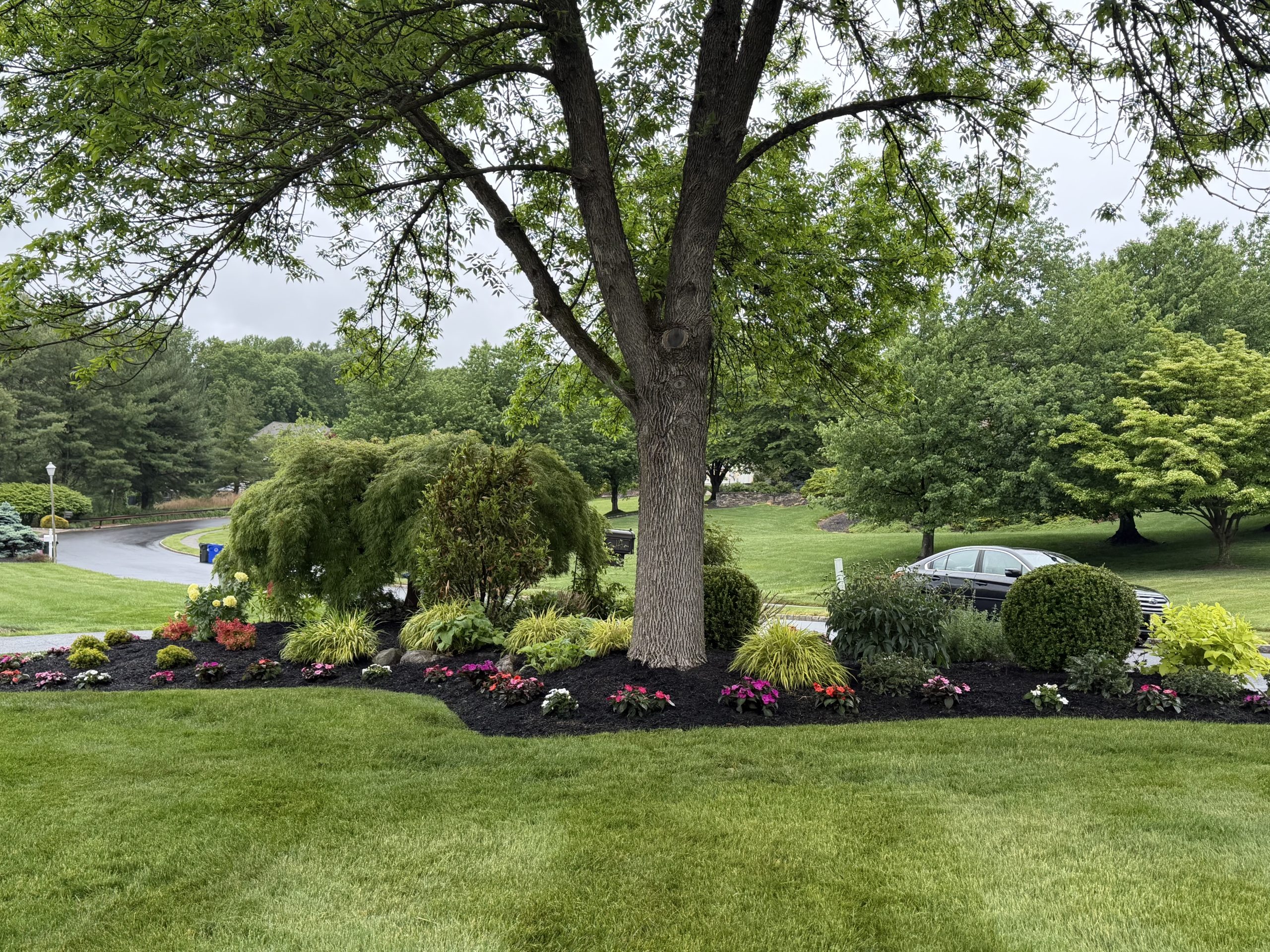
A well-kept landscape does more than make an apartment community look attractive from the street. It shapes how residents feel when they come home, how prospects judge the property during a tour, and how ownership protects the value of the asset over time. In multifamily housing, the grounds are not decorative afterthoughts. They are shared infrastructure. They influence drainage, safety, resident retention, pest pressure, irrigation costs, and even how often the office fields complaints.
That reality becomes obvious the moment a property falls behind. Turf thins out near mail kiosks and dog walk areas. Shrubs start to block sightlines at corners and building entries. Irrigation heads break and spray sidewalks. Mulch washes out after one heavy storm. Weeds pop through planter beds around monument signs and leasing offices, and suddenly the place feels neglected, even if the buildings themselves are sound. Residents notice quickly. Prospects notice even faster.
Landscape Maintenance for apartments and multi-unit properties is a different discipline than caring for a private home or a small office complex. The scale is larger, the wear is heavier, and the expectations are less forgiving. Multiple residents use the same paths, lawns, courtyards, pet areas, playground surroundings, parking lot islands, retention edges, and entry features every day. The property needs to perform under traffic, weather, and budget pressure without losing visual order.
What makes multifamily landscape care different
Apartment communities ask more from a landscape than most commercial sites. A medical office may want clean lines during business hours. A homeowner may care deeply about a front yard but has only one family using it. Multifamily properties operate almost like small neighborhoods. The grounds need to function morning, noon, and night, across weekdays and weekends, through leasing season and turnover season.
There is also a complicated mix of users. Residents want comfort and shade. Ownership wants curb appeal and cost control. Site managers want fewer complaints and fewer emergency work orders. Maintenance teams want access to utilities, drains, and building systems without overgrown plant material in the way. Vendors need room to service dumpsters, electrical equipment, and fire lanes. Good Landscape Maintenance balances all of that at once.
The properties themselves vary widely. A garden-style apartment complex with open lawns has different needs than a dense urban multifamily site with raised planters and minimal soil volume. A senior living campus often prioritizes smooth walking surfaces, visibility, and gentle color. A luxury community may expect seasonal flower rotations and pristine entrances. Affordable housing sites often need durable planting plans that can withstand heavy use and tight budgets. The maintenance plan should reflect the site, not a generic route sheet.
First impressions are operational, not just aesthetic
People often talk about curb appeal as if it were only a leasing tool. It is that, but it is also operational shorthand. Clean edges, healthy plant material, and functioning irrigation tell residents and prospects that the property is managed with discipline. A landscape that looks cared for suggests that work orders are probably handled, common areas are likely inspected, and standards exist.
I have seen two nearly identical apartment communities in the same market produce very different leasing outcomes because of landscape quality alone. One had patchy turf, hedges cut into awkward boxes, and dead annuals left in beds weeks past their prime. The other had simpler plantings, but they were healthy, trimmed with restraint, and consistently maintained. The second property looked more expensive, even though its plant palette cost less. Consistency beat ornament.
This matters especially at entries, leasing offices, model units, clubhouses, pool approaches, and main pedestrian routes. Those zones carry the heaviest impression load. When budgets tighten, smart managers protect these high-visibility areas first while making careful reductions in lower-priority spaces. That takes judgment. Cutting every area equally often produces a uniformly mediocre result.
The core scope of service, and why frequency matters
For apartment communities, landscape work is not one task. It is a sequence of recurring services, each tied to growth cycles, weather, and resident use patterns. Mowing without edging leaves a property looking unfinished. Pruning without debris removal creates immediate complaints. Fertilization without irrigation calibration can burn turf or waste money. The pieces only work together when they are scheduled as a system.
A typical maintenance program includes turf care, bed weeding, shrub and tree pruning, irrigation inspection and repair, debris policing, seasonal color management where appropriate, mulch refresh, and monitoring for plant stress, disease, or drainage problems. Hardscape attention often belongs in the same conversation. Sidewalks, curbs, paver joints, and stair-adjacent planting beds all affect how the grounds read.
Frequency is where many properties either protect value or quietly lose it. Weekly service during peak growing season may be necessary on one site and excessive on another, depending on turf species, irrigation, rainfall, and desired appearance. In cooler months, biweekly visits may be enough if crews still handle cleanup and inspection carefully. The mistake is treating all twelve months the same. Plants do not grow by contract month, and residents do not stop seeing the property when turf growth slows.
Irrigation is where budgets are won or lost
If there is one area of Landscape Maintenance that pays for itself through attention, it is irrigation. Broken heads, clogged nozzles, poor coverage, bad controller settings, and undetected leaks can ruin appearance and inflate utility bills at the same time. On multifamily sites, irrigation issues also create slip hazards, mildew on walks, and resident frustration when units near overspray areas deal with wet windows, mud, or mosquito activity.
A strong landscape contractor does not just turn systems on and off seasonally. They inspect zones, adjust arcs, replace damaged heads, monitor pressure issues, and identify areas where the original design no longer matches current conditions. Mature trees may now shade out turf that once needed frequent watering. Groundcovers may have filled in enough to reduce evaporation. Areas near renovated buildings may have been regraded or compacted by construction traffic. Without adjustment, the site continues to water as if nothing changed.
On many apartment properties, irrigation problems are not dramatic enough to trigger a capital conversation right away. Instead, they create chronic underperformance. One corner stays dry. Another stays swampy. A spray head hits a parked car every morning. The front monument bed looks tired despite repeated flower replacements. These are not cosmetic mysteries. They are maintenance signals.
Pruning should solve problems, not create them
Poor pruning is common in multifamily properties because crews are often under pressure to make a site look instantly tidy. That can lead to repeated shearing of every shrub into hard geometric shapes, regardless of species, bloom cycle, or placement. It delivers short-term neatness and long-term ugliness. Plants become woody, thin at the base, and oversized for the space. Then ownership faces unnecessary replacements.
Good pruning starts with purpose. Is the goal to maintain clearance from sidewalks and windows, preserve sightlines, reduce risk at intersections, support flowering, or keep plants proportional to the building? Different goals require different cuts. A broadleaf shrub at a breezeway should not be treated the same as a screen hedge along a perimeter fence or a specimen planting near the clubhouse.
Tree care deserves special attention. Low branches over parking areas, walks, and lights need routine clearance. Deadwood should be removed before it becomes a storm hazard. Young trees need structural training, especially in newly developed communities where fast growth can produce weak form. Mature trees should be monitored for decline, root flare issues, and conflicts with paving or irrigation. Too often, apartment sites spend heavily to install trees, then underfund their care for the first five years, which is when formative pruning matters most.
Wear patterns tell you where the design is losing
Residents are honest with their feet. If there is a dirt path across a lawn, the site plan failed at that point. If turf dies repeatedly beside a dumpster enclosure, the issue may be reflected heat, truck traffic, or poor drainage, not bad mowing. If planting beds near stairwells fill with litter, the problem may be visibility or circulation, not just maintenance effort.
One of the most useful habits in multifamily landscape management is walking the property after rain, at dusk, and on weekends. Daytime weekday inspections miss too much. Water pooling near ground-floor patios, dimly lit planting masses near mailboxes, muddy shortcuts near pet stations, and compacted corners near playgrounds all reveal how the landscape is actually being used.
From those walks, priorities become clearer. Sometimes the best maintenance decision is not more labor but a small redesign. Converting a trampled turf corner to decorative gravel and durable shrubs may save years of frustration. Replacing thirsty annual beds in a difficult exposure with perennial color and mulch can stabilize both budget and appearance. Narrowing a bed that constantly catches car overhang in a parking island can reduce replacement costs. Good maintenance teams notice these patterns early and raise them before they become recurring line items.
Safety is part of the landscape brief
Grounds crews are often the first to spot safety issues because they are on site so frequently. Uneven pavement, root heave, blocked signage, low limbs, slick overspray, bee activity near resident paths, failing retaining walls, and obstructed lighting all show up in the landscape realm before they become liability claims.
For apartments and multi-unit properties, visibility is especially important. Overgrown shrubs near stairwells, laundry rooms, playground edges, and mailbox clusters create unease even if no incident occurs. Sightlines from parking areas to building entries matter. So does keeping monument signs and unit markers visible for guests, emergency responders, and delivery drivers.
There is also the matter of seasonal cleanup. Leaves left on wet sidewalks can become slick. Seed pods and fruit drop can stain paving and increase trip risks. In regions with freeze-thaw cycles, clogged drains and compacted snow near planting beds can create dangerous pedestrian areas. Landscape Maintenance is often discussed as an amenity, but on multifamily sites it also supports risk management.
Seasonal planning separates responsive crews from strategic partners
Properties that look stable year-round are rarely maintained by crews that simply react. They are maintained by teams that plan ahead. The exact calendar depends on region, but the principle is the same. Each season should prepare the property for the next one.
A sensible annual rhythm usually emphasizes a handful of priorities:
- Spring focuses on cleanup, irrigation startup, fresh mulch where needed, pre-emergent weed control, and restoring winter-damaged turf and plant material.
- Summer demands irrigation management, mowing quality, pest and disease watchfulness, deadheading or flower rotation, and fast response to storm damage.
- Fall is the time for leaf management, selective pruning, aeration and overseeding in suitable climates, drainage checks, and preparing beds for cooler weather.
- Winter shifts attention to storm cleanup, dormant pruning where appropriate, hardscape visibility, and planning upgrades or replacements before peak season returns.
What matters is not whether a contractor uses those exact categories. What matters is whether the property is getting proactive attention instead of flat, repetitive service. A crew that arrives every week but never adjusts to seasonality is not truly managing the landscape.
Budgeting without creating deferred damage
Every property manager faces budget constraints at some point. The challenge is knowing what can be trimmed without creating expensive aftereffects. There is a difference between reducing ornamental extras and underfunding the core health of the site.
Seasonal flowers are often the first area reviewed, and that makes sense. They are highly visible but not structurally essential. Mulch depth can sometimes be moderated if weed control remains strong. Visit frequency may be adjusted in slower growth periods. Some low-visibility zones can tolerate a more natural look if that choice is intentional and clean.
The dangerous cuts usually involve irrigation oversight, tree care, and routine horticultural detail. Skipping irrigation inspections may save a little this quarter and waste much more in water loss, plant replacement, and resident complaints. Delaying young tree pruning can create structural issues that are far more expensive later. Allowing weeds and overgrowth to build up often means the site eventually needs a reset rather than steady maintenance.
Owners also benefit from distinguishing operating maintenance from landscape improvement. If a property has chronically failing plants because the wrong species were installed, no amount of routine care will produce good results. That is not a maintenance failure. It is a design or capital issue. The same is true for drainage defects, poor soil volume in planters, and turf areas that should never have been turf. A good contractor will be honest about that distinction.
Communication is a service line of its own
The best landscape vendors for multifamily properties are not necessarily the ones with the biggest crew on site. They are the ones who communicate clearly, document issues, and help managers make timely decisions. On a busy property, silent competence is not enough because site conditions change fast and multiple stakeholders need visibility.
At minimum, managers should expect site notes after visits when something needs attention beyond routine scope. That may include irrigation breaks, storm damage, vandalism, dead plant material, drainage concerns, pest activity, or safety hazards. Photos help, especially for ownership groups that review conditions remotely. So does simple prioritization. Everything cannot be urgent all the time.
Useful vendor communication usually includes a short list like this:
- What was completed on the visit
- What was observed that needs action
- Which items are routine, urgent, or capital in nature
- What weather or access issues affected service
- What recommendations should be considered before the next cycle
That level of clarity saves time for property managers and reduces the endless back-and-forth that plagues many service relationships.
Resident experience often hinges on small details
Most residents do not know the difference between selective pruning and shearing, or between warm-season and cool-season turf. They do know when a place feels clean, cared for, and easy to navigate. They notice whether the dog area smells neglected, whether the pool path is free of blown debris, whether the breezeway beds are full of weeds, and whether landscaping hides the first-floor windows too much.
They also respond to timing. Crews using loud equipment too early near bedrooms can generate disproportionate frustration. Blowers pushing debris onto parked cars will be remembered. Fresh mulch laid right before a windy weekend may end up scattered across sidewalks and patios if it is not installed correctly. On the other hand, a crew that tidies the front entry before a weekend leasing push or clears storm debris before residents leave for work gets credit, even if no one says it out loud.
There is a hospitality dimension to apartment Landscape Maintenance that is easy to miss. The grounds are part of the daily lived experience. They frame morning dog walks, package pickup, evening returns from work, and visits from friends and family. That is why consistency matters so much.
Choosing the right maintenance partner
When evaluating contractors for apartments and multi-unit properties, the lowest monthly number can be misleading. Multifamily work demands reliability, site awareness, and follow-through. A vendor may price aggressively by trimming visit time, undertraining crews, or treating the property as a standard mow-and-blow account. That tends to show up later in missed details, poor pruning, irrigation drift, and constant catch-up work.
A better evaluation looks at crew stability, account management, irrigation capability, horticultural knowledge, response time, and experience with occupied residential sites. Ask how they handle resident-facing work. Ask how they document issues. Ask whether the same crew returns consistently https://patch.com/users/silentxpi7 or whether the property will see a rotating cast. Ask who notices when plant health is declining and who has authority to recommend changes.
Walking a property with a prospective vendor reveals a lot. The strong ones notice grading, species mismatches, access bottlenecks, line-of-sight concerns, and water-use opportunities within minutes. They talk about priorities, not just tasks. They understand that a front entry planter and a back retention edge should not be managed the same way.
Where good maintenance shows up on the balance sheet
It is tempting to treat landscape costs as a soft expense because the results are visible rather than mechanical. But in multifamily operations, the impact is measurable. Better-maintained grounds support leasing, reduce resident dissatisfaction, protect plant investments, lower water waste when irrigation is managed properly, and help avoid preventable hazards. They also preserve optionality. A property that has been steadily maintained can usually be refreshed economically for sale or repositioning. A property allowed to decline often needs heavier spending all at once.
That is the practical case for Landscape Maintenance in apartment communities. It is not about making the place look fancy for a few photos. It is about keeping a high-use environment orderly, safe, efficient, and appealing through constant pressure. The best programs are not flashy. They are disciplined, observant, and seasonally smart. Residents may never compliment the pruning cuts or irrigation audits, but they absolutely feel the difference when the grounds are working the way they should.
Majestic Mowing & Landscaping LLC
Phone number: +19733975532
FAQ About Landscape Maintenance
What is landscape maintenance?
Landscape maintenance is the ongoing care, cleaning, and upkeep of outdoor green spaces to keep them healthy, safe, and attractive.
Is $100 an hour too much for landscape work?
An hourly rate of $100 is not too much for specialized or professional landscape work, though it sits at the higher end of the standard pricing spectrum.
How much do landscapers charge for maintenance?
For professional landscaping maintenance, homeowners typically pay $100 to $410 per month for recurring services, or an hourly labor rate of $50 to $100 per hour per crew member.